


What Makes a Good Nurse Become Better? Core Characteristics & Qualities of a Good Nurse and Tips for Becoming a Better Nursing Professional

As you embark on your nursing journey, it is only natural for you to ask yourself about the characteristics and qualities of a good nurse, what makes for a great professional, and what steps you can take to improve the quality of care provided – in short: what makes and how to be a good nurse.
If you have reached this article, you’re already on the right track.
The reality is that the quality of care and results achieved for patients are highly dependent on the qualities of a nurse. The better the nurse in their practice, the more patients benefit from healthcare. However, improving these aspects is not solely your responsibility, nor should it become a daunting task for you alone.
If you have reached this article, you’re already on the right track.
We are here to help you understand your role in improving the quality of care and the state of nursing, and to identify actionable steps you can take to get there faster. You will discover what qualities and characteristics you can reap in the field of nursing – many of which have already brought you where you are –, as well as how to unlock your fullest potential.
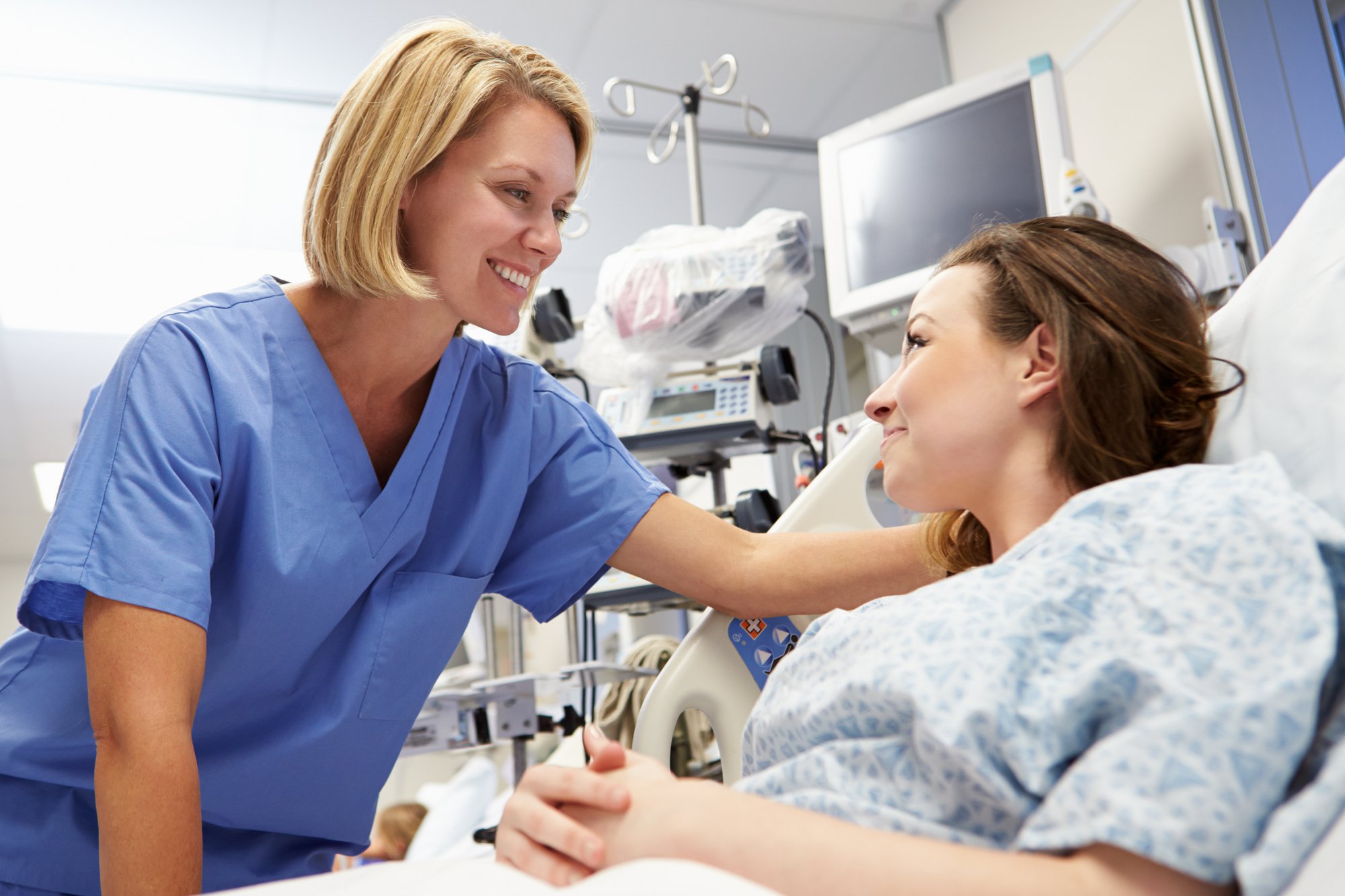
What Makes a Good Nurse?
Before delving into how you can become a better nurse, it is worth reminding yourself what makes a good nurse in general.
Good nurses have a well-rounded set of skills that make them successful in their field and are crucial to their ability to save lives. However, great nurses go the extra mile by combining clinical skills with compassion, communication, and sound judgment.
Remember, while technical skills are a must for your nursing activity, good nurses go beyond knowing the standard procedures and medications. They will pay attention to detail, stay calm under pressure, and make patient safety a top priority in every situation, while also knowing when and how to listen carefully, explain information clearly, and treat each patient with empathy and respect. These qualities help build trust, improve teamwork, and support better outcomes.
Adaptability is just as important, since healthcare environments can change quickly and patients’ needs often shift without warning.
But, above all, a good nurse is committed to lifelong learning and professional growth. By continually improving your knowledge, skills, and bedside manner, you can directly ensure the delivery of high-quality, patient-centered care throughout your career.
Being a good nurse may seem like an impossible task; however, you’re already doing it. The process takes time, preparation, and a conscious, constant effort, but most of all, it requires the correct direction.

What Are the Qualities of a Good Nurse?
If you want to be a good, even a great, nurse, you will need to improve your abilities in some key areas, generally regarded as the characteristics or qualities of a good nurse.
You do not necessarily need to check all the boxes – it may not even be feasible at all times. However, if you’re taking your nursing career seriously, you must work to nurture and improve these essential qualities of a nurse.
Core Qualities of a Good Nurse: The 5 C’s of Nursing
To start off, there are 5 core competencies and characteristics of a good nurse that your practice needs to reflect on and perfect. They are colloquially known as the 5 C’s of nursing: Commitment, Conscience, Competence, Compassion, and Confidence.
Here are the 5 C’s that define excellence in the nursing profession and what they mean for your practice:
1. Commitment
Nursing is more than just a career. It’s one’s way of being. Becoming a nurse means you should be ready to go above and beyond when needed, it means you are committed to upholding strong values, and, above all, it means you are dedicated to caring for your patients. Commitment also applies to life-long learning, because, in nursing, the only way for you to keep delivering the highest quality care is if you never stop learning.
2. Conscience
Conscience ensures that nurses have a strong sense of moral responsibility and work ethically to represent their patients' concerns. Conscious nurses display high levels of empathy, putting themselves in patients’ shoes, which, in the long run, helps them become better professionals.
3. Competence
As a nurse, you must be the epitome of competence. Even the small details matter, such as arriving at work on time and presenting yourself professionally. Nurses must hold themselves to a high standard of excellence and complete daily tasks to the best of their ability. Also, competence entails a need to continually develop your skills and knowledge, as learning is a lifelong process in nursing.
4. Compassion
Being understanding, empathetic, and considerate in nursing is vital. Compassion helps nurses provide kind and attentive treatment at all times. It also helps them build nurse-patient relationships and find a deeper sense of meaning in their work.
“The number one thing that I always do is just reflect back on why I even went into nursing, and that was because I truly enjoy helping people. I want them to heal, I want them to know that I’m compassionate towards them and that I really care about their total outcome as a human being, not just as a patient.”
Tayler Allen, RN.
This kind of selfless compassion should be at the heart of nursing because this is what’s going to make you a great nurse.
5. Confidence
When going to a hospital, patients must be sure they will receive the highest quality care. Therefore, a nurse who isn’t confident will raise concerns among patients about their health and safety. Having confidence in their skills, education, and experiences will ensure nurses keep putting their best foot forward. This ability leads to positive outcomes in patient care.
These qualities also summarize the core nursing skills to include in your nurse resume.
Other Important Nurse Strengths and Qualities
Beyond these central tenets of nursing, you will also require some particular soft skills to profess and flourish as a nurse. If you want to expand your qualities as a nurse, here are the areas you should focus on:
- Patience – The environment in which you will be working is defined by its fast-moving nature. You may have to carry out multiple doctors’ orders or deal with stressed staff, noncompliant patients, and demanding families. Still, in the midst of tasks piling one atop another and mounting pressures, nurses must keep their composure and calmly solve problems one by one.
- Flexibility – Adaptability is one of the most important nursing skills. Healthcare is constantly changing. Policies shift, workflows evolve, crises arise, and a patient’s condition can change in moments. Because change in nursing is often sudden and unpredictable, nurses must be ready to respond quickly while also protecting their own mental well-being.
- Empathy – In nursing, empathy helps build trust and connection during some of the hardest moments of a patient’s life. When patients feel heard, supported, and genuinely cared for, it can make a meaningful difference in their healing experience.
- Communication skills – Good communication between nurses and patients is essential to nurses’ ability to provide individualized care. Communication is imperative in all areas of nursing, from prevention, treatment, and therapy to rehabilitation, education, and health promotion. Research shows that nurses who display courtesy, kindness, and sincerity (through both their words and actions) are more successful at establishing a good rapport with their patients.
- Reliability – Working as a nurse requires reliability. People need to know they can count on you, from patients to your fellow nurses and doctors. Providing healthcare is a team endeavor, and you must be willing and dedicated to play your part and make your indispensable contribution to helping people.
- Leadership skills – To a certain extent, all nurses are leaders. Their unique position in the healthcare ecosystem allows them to guide patients towards wellness, support new co-workers, and even help doctors expand their knowledge of their patients’ situations. Read more about leadership and management in nursing.
- Willingness to learn continuously – Healthcare is an ever-changing environment; nurses must always stay up to date with new techniques, procedures, and equipment. Continuous education has become the cornerstone of the profession. Many hospitals require nurses to complete a certain level of continuing education every few years to keep the validity of their license.
Learn more about the core duties and responsibilities of a nurse.
How to Be a Good Nurse and Become a Better Nurse: 11 Key Tips
Here is how to be a great nurse. By following (and practicing) these 11 key tips that enhance the qualities of a nurse, you will lay the building blocks to becoming a better nurse one day at a time.
As they become your second nature, the quality of care you provide, your healthcare results, and professional satisfaction will improve considerably.
1. Commit to Lifelong Learning
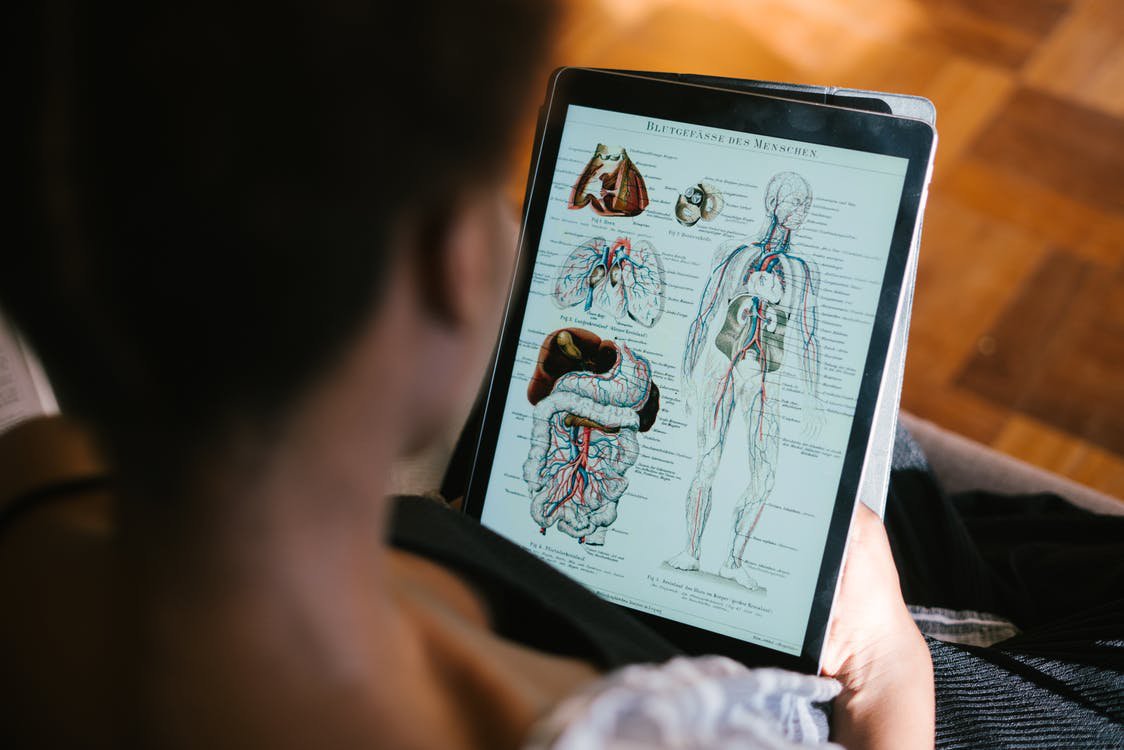
If we were to make a top-three list of ways to improve work performance in nursing, the highest-ranking piece of advice would be to never stop learning. The education of a Registered Nurse does not end when the last paper is submitted and the final exam is passed. Good nurses recognize the value of lifelong learning.
In the nursing profession, change, improvement, and development are common. New information comes out every day. More efficient ways to provide care are making their way into nursing practice. New technologies are introduced aiming to assist nurses and improve the quality of care. The expansion of telehealth nursing is adding an extra layer of responsibility. The shift towards a paperless healthcare environment is taking the nursing world by storm. The rate of change and improvement in nursing will never stop, and neither should you.
Hanging on to the way things used to be done and complaining about having “one more thing to learn” is the sign of a bad nurse, and you don’t want to touch that label with a ten-foot pole. More importantly, refusing to grow as a professional and being unwilling to change your practices can put your career at risk and your patients in jeopardy.
There are many options for learning and advancement for the awesome nurses eager to develop themselves, update their skills, and become better caregivers.
You can join a local professional organization, subscribe to a nursing journal in your field, or attend nursing conferences that pique your interest. Additionally, you can enroll in continuing education courses. Continuing nursing education impacts your competency as a Registered Nurse, enhances your professional development, and paves the way to become a better nurse.
Another excellent idea, if you would like to further develop professionally as a nurse, is to seek certification. Becoming a certified nurse helps you advance your expertise and skills in a particular area of nursing. When your knowledge is validated through certification, you become a better, more confident, more efficient nurse. Certification and recertification help you stay on top of your field, always up to date with the latest information and constantly aware of the best nursing practices.
As long as you stay committed to learning, you will be a great RN. And it’s not only you who will win. So will your patients and the healthcare field, in general.
2. Practice Detail-Oriented Care
It doesn’t matter if you are a fresh graduate who’s just starting a nursing job or you are a seasoned RN – you always need to double-check your work. It may seem like a small thing, but it will significantly improve your nursing practice. Review your charting throughout the day and at the end of your shift. Ensure you have listed all your actions: all the procedures you performed, the medications you administered, the diagnostic tests you ran. Every interaction between the nurse and the patient matters, and you want to make certain they are carefully and accurately documented.
Double-checking is especially important when it comes to medication administration. Always ask yourself: Is it the right drug? Is this the prescribed dose? Is this route of administration the right one? Even verify “Is this the right patient?”
Chances are, one day, you’ll feel exhausted, distracted, or burnt out, so the risk of making a nursing mistake will increase exponentially. Independent double-checks can detect up to 95% of errors. You need to develop the habit of double-checking your work and your charting from the beginning of your nursing career. Your patients will be safer, and you’ll become a better nurse.
3. Prioritize Safety and Don’t Cut Corners
Life as a nurse is busy. You may feel tired and overworked and think to yourself, “No harm will come if I don’t change my gloves between procedures,” or “I’m sure the patient will take the medication. There’s no need to stick around in the room for that.” You cut corners today, tomorrow, and eventually, it becomes a habit. It’s often the little things: rushing through an assessment, forgetting to wear or change gloves, failing to wash your hands as often as you’re supposed to, and cleaning the equipment only superficially.
But this practice of cutting corners is highly detrimental to effective patient care. It can lead to many preventable adverse events. Infections, overdoses, allergic reactions, and many more medical problems can spring from a nurse’s desire to save a few minutes. If you follow safety measures and never skip essential steps, you can avoid lots of potentially dangerous nursing mistakes.
Not cutting corners is also a way to protect your license, practice, and integrity as a nurse. This is an area for improvement that’s entirely in your control.
4. Focus on Patient-Centered Care
Many times, nurses become so task-oriented that they momentarily lose track of what got them into nursing in the first place. They get so wrapped up in the multitude of their duties that they sometimes fail to be fully present when interacting with a patient.
However, this doesn’t align with the patient-centric care approach at the heart of our healthcare system. Patient care may be continuously evolving. Technology, access to information, and increased learning opportunities – all improve patient care. However, one thing that stays the same is the patient’s expectations. They want and expect to receive high-quality care; they want to be treated with respect and have their needs met.
What makes a great nurse is a connection to patients as people. It means giving your patient your undivided attention when you are in their room, being driven by a desire always to do right by your patients, and never losing focus. This job is about the patients and you making their lives a little better.
There are a few small steps you can take to be more people-oriented rather than task-oriented. You can only be in one place at a time, so be fully there. When you go into a patient’s room, they are the only one who matters. Don’t think about whether the patient in 203 received his meds or if the nurse before you changed the sheets in 215. Focus on the patient in front of you. Address them by their name. Give them a run-through of what you are going to do, of what their care plan includes. Maintain eye contact. It helps establish a connection between you and the patient while also conveying empathy and compassion. Ask them if they need anything or if you can assist them before you leave. Concentrating on the patient in the whirlwind of tasks you have to complete may not be the easiest thing, but it’s a vital nursing skill. Improve in this area, and you will improve as a nurse.
5. Ask Questions and Prioritize Clarity
One who is afraid of asking questions is ashamed of learning. Never be ashamed of learning. In nursing, not asking a question can mean the difference between life and death. Of course, this doesn’t mean not doing your job because you’re too busy questioning everything.
Ask questions whenever you are unsure about a procedure. Go to more experienced RNs if you need advice on the best way to provide patient care or assistance in making the situation safer. Seeking guidance, especially at the beginning of your nursing career, is a sign of strength and commitment. It shows that you want to be a better nurse. Learning to take advantage of your fellow nurses’ expertise and knowledge is a potential area of growth for many RNs.
You need to know that nursing is a team effort, and asking questions can help you become a better team member. And, in the end, everyone stands to gain from it.
6. Protect Your Well-Being to Prevent Burnout
We have mentioned how essential it is to focus on the patient and give them your undivided care and attention. But you must remember that you deserve the same treatment. Taking care of your own well-being is the only way to take good care of your patients.
If you see yourself struggling to sleep and eat, if you lose interest in the job that once brought you so much joy, if you want to call in sick to work all the time, if you’re highly irritable and less compassionate – all of these are symptoms you’re experiencing nursing burnout. And burnt-out nurses are much more prone to cutting corners, making errors, and experiencing compassion fatigue. They can be a danger to themselves and their patients.
Overworked nurses are in the same boat. They feel like they hate being a nurse. Maybe the boss is controlling, they don’t get along with their co-workers, or a patient is extremely rude. Being overworked will amplify these feelings, and eventually, the well-being, professionalism, and job satisfaction will be negatively affected.
That’s why taking care of your mental and physical health is of paramount importance. You need to develop a regular sleep schedule, set boundaries, and take breaks. It’s also essential that you process your feelings and ask for support when things get too hard to handle.
Our most important nursing tip? Don’t underestimate how detrimental burnout can be. Learn how to recognize its signs and how to prevent it. Understand that only by being better to yourself, you’ll manage to be better to your patients.
7. Use Technology With Confidence
In today’s digital age, technological advancement moves fast. A few years ago, nurses used pen and paper to record all patient information. Now, as more healthcare organizations shift to Electronic Health Records, paper filing methods are becoming a thing of the past.
Automated IV pumps are being increasingly used in hospitals. Nurses can control and adjust the drip dosage and program the duration and rate of fluid delivery through built-in interfaces. Automated IV pumps are a safer way of administering fluids intravenously. Plus, not having to manually measure and administer medication or food allows RNs to focus elsewhere, freeing up time to complete other tasks.
Smart beds can track movement, weight, and even a patient’s vitals, increasing safety and comfort during hospital stays. Wearable devices and mobile apps make telehealth nursing a lot more effective.
Technology is ingrained in healthcare, and EHR, automated IV pumps, portable monitors, and wearable devices are just a few examples of how nursing is adapting to the current times. Technology will continue to evolve, and nurses will have to adjust.
Improving your nursing technology skills is a great way to ensure you stay on top of the field. Especially for nurses unused to technology, learning to navigate technology can seem frustrating and unnecessary. But training and practice will go a long way. And you can always ask other nurses for advice or assistance, as they may be more familiar with the technology. Nursing is a team effort, after all.
8. Strengthen Your Communication Skills
Communication is one of the most fundamental nursing skills. If you want to become a successful RN, you need to master it. Whether talking to your fellow nurses, debriefing with the doctors, or educating the patients, efficient communication is at the core of good nursing practice.
It might take some time to become proficient in nurse communication. At first, when you have to report to a physician, you may find yourself nervous and shivering, unsure how to approach the situation. When you interact with a patient, especially as a beginner nurse, you might use so much medical jargon in your explanations that you leave the patient even more confused. But as long as you keep sharpening your communication skills, you will become a better nurse.
You can try using the SBAR technique to communicate efficiently with other healthcare professionals. SBAR is an acronym for Situation, Background, Assessment, Recommendations – and it’s an excellent framework for sharing your patient’s condition with the doctor or other members of the medical team. This easy-to-remember mechanism can help you become a more effective communicator within your organization.
Another potential area for improvement for nurses is their communication with patients. Always make sure the patients understand and follow what you’re saying, especially when explaining care plans. Try to avoid using too many acronyms. Terms like CBC, ITT, LFT, or RDA may seem easy for you to understand, but remember that not everyone has nursing school experience. When you interact with patients, they should comprehend what you’re saying. That doesn’t mean you have to talk down to them. Just treat them with respect. Patient education is an integral part of your job as a nurse. Improve your communication skills, and the ability to educate your patients will follow.
Find out more about therapeutic communication and how to improve your daily practice.
9. Find a Mentor for Support and Inspiration
Nurse mentorship – either formal or informal – is crucial to the education and training of new nurses. It helps them prepare better for the challenges of the real-world healthcare workplace. When you’re just starting your nursing career, the pressures and intensity of the job may take you by surprise. You’ll find yourself in need of guidance and advice. You’ll want to hear about how other nurses’ clinical experience can improve your own work performance. Cue the Nurse mentor.
A Nurse mentor will be a role model, motivator, and supporter. They’ll help you grow accustomed to the workplace. They will aid you in developing the nursing skills needed to excel in your practice. By listening and considering their experiences and expertise, you’ll learn the critical competencies required to deliver effective patient care.
You can find a nurse mentor at work, through certain networking events, or within professional organizations. Just remember that learning from others is a great way to become a better nurse yourself.

10. Stay Flexible When Conditions Change
Last but not least, if you want to be a good nurse, you have to be ready for anything at all times. Each day will bring its own challenges. Your expertise will be put under the microscope. Your patience may hang by a thread. The plan for the shift will change in an instant when something unpredictable comes up – and it will.
It’s usually a great idea to start your workday with a plan. But it’s equally important to be flexible and ready to adjust the plan as you go. There will be twists and turns, and you need to tackle each of them gracefully and professionally. Nursing is a fast-paced field. It requires lots of attention, critical thinking, and on-the-spot decision-making. So, being adaptable and ready for the unexpected is an important area for RNs to improve.
11. Look for Enjoyment and Motivation in Practice
Yes, nursing has its challenges. No two days – nor two patients – are the same. Some shifts will be longer, and some days you’ll feel drained of energy. You have to keep learning for the rest of your life. But it’s all worth it because you get to pursue one of the most fulfilling professions in the world. You save lives for a living, and that’s pretty awesome. So, enjoy it. You worked hard to get here. Take a minute to appreciate yourself and your achievement. You’ll be a better RN because of it.

Are You Ready to Grow as a Nurse?
Nursing can be a lifetime commitment that elevates your passion for helping others and your ability to improve patients’ lives into a fulfilling career.
Becoming a better nurse does not need to feel like a daunting task, nor should it come with the conclusion that you’re not doing enough already. On the contrary, you have already taken the first important step by simply asking yourself how to become a better nurse and by doing your research.
Additionally, you should always keep in mind that you’re not alone in this effort. The nursing profession comes with a welcoming and supportive community that provides all the instruments to grow and flourish. Your colleagues, mentors, employers, and other stakeholders will make a concerted effort to provide all the nursing opportunities for advancement, as well as a viable way to climb up the career ladder.
What you can do yourself is invest in your own preparation and elevate your practice and the quality of care you provide. One tried-and-tested way to do so is to access high-quality nursing education. At Nightingale College, we know that starting (or going back to) nursing school often creates added stress and can come into conflict with your current personal and professional commitments. That is why our academic programs adopt a blended distance-learning format that combines online instruction with on-ground practical activities completed in the nearest Supervised On-Ground Field Experience (SOFE) Areas across the country, in order to provide valuable learning in the most accessible way. In addition, the learner experience at Nightingale College is further enhanced by a broad range of resources and support services that provide much-needed assistance in not only completing your education but also achieving excellence.
FAQs About the Qualities of a Good Nurse
What Makes a Great Nurse?
What makes a great nurse is the ability to combine technical skill with empathy, consistency, and critical thinking. Great nurses stay calm under pressure, communicate effectively, protect patient safety, and continually improve throughout their careers.
Would I Be a Good Nurse?
If you care about helping people, are willing to keep learning, and can stay calm and attentive in demanding situations, you may already have the foundation needed to become a good nurse. Many nursing qualities can also be developed through education, mentorship, and experience.
What Are the Characteristics of a Good Nurse?
The characteristics of a good nurse show up in everyday actions. A strong nurse listens carefully, documents accurately, double-checks their work, communicates clearly, and treats every patient with dignity. These habits build trust with patients and make nurses more dependable teammates.
What Are the Qualities of a Good Nurse Practitioner?
The qualities of a good nurse practitioner include the core strengths of nursing plus greater clinical independence. A good nurse practitioner must pair compassion and communication with advanced assessment skills, clinical judgment, patient education, and evidence-based decision-making. Because nurse practitioners often diagnose conditions and manage treatment plans, confidence, collaboration, and lifelong learning are especially important.
How Do I Become a Better Nurse?
You become a better nurse by continuing to learn, strengthening your communication skills, paying close attention to detail, and always putting patient care first. Mentorship, self-reflection, and adaptability also help you grow over time.
What Separates Good from Great Nurses?
Great nurses go beyond clinical competence by combining skill with empathy, confidence, critical thinking, and consistency. They don’t stop at only providing excellent care, but also build trust, stay calm under pressure, and keep improving throughout their careers.